
A Flare Survival Kit: What to Have Ready Before You Need It
How to prep comfort, easy nutrition, and a written bad-day plan in advance, so a flare meets a system instead of finding you unprepared.
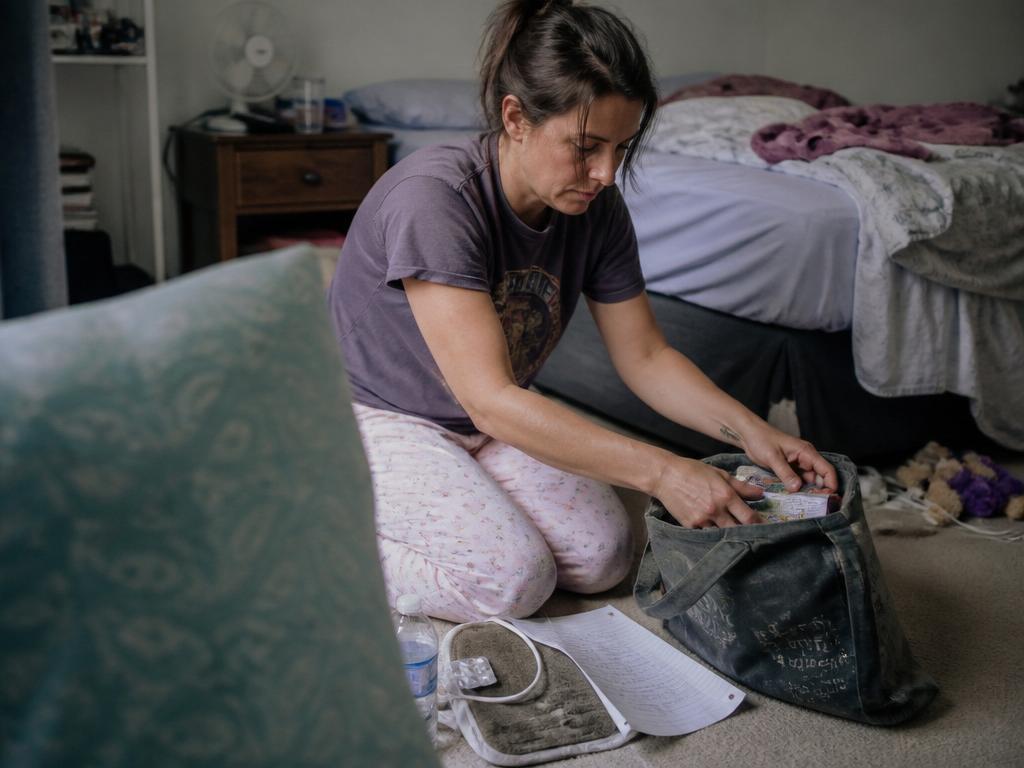
The worst time to figure out how to get through a flare is in the middle of one. A little preparation on a good day means that when a bad one arrives, the hardest decisions are already made.
Comfort and rest essentials
When a flare hits, your capacity to fetch, decide, and organize drops sharply. A survival kit works because it gathers the things that help you cope into one place, ready before you are too unwell to assemble them.
The first category is comfort and rest, because a flare often means spending extended time lying down and trying to get through it as gently as possible. Think about what actually soothes you on your worst days and keep those things within arm’s reach of where you rest.
Comfort essentials many people find useful:
- Warmth. A blanket, warm layers, or a heat source if heat helps your pain.
- Pain and symptom relief. Whatever you normally use, kept stocked and easy to reach so you are not hunting for it.
- Sensory ease. An eye mask, earplugs, or anything that reduces light and noise when you are sensitive.
- Distraction within limits. Easy, low-effort entertainment that does not demand much focus.
- The basics nearby. Phone, charger, tissues, lip balm, and other small things you do not want to get up for.
The goal is a small zone, often near your bed or wherever you ride out a flare, where the things that help are already gathered. On a low-capacity day, not having to search for them is a real kindness to yourself.
Easy nutrition and hydration on hand
Flares have a way of making basic self-maintenance feel impossible. Eating and drinking still matter, but standing in a kitchen or preparing food may be out of reach, so the answer is to plan for that in advance.
Keep a small supply of food and drink that requires nothing from you in the moment. The aim is to remove every barrier between you and basic nourishment when you are at your most depleted.
| Need | Keep on hand | Why |
|---|---|---|
| Hydration | A drink you can keep by the bed | Easy to forget and important to maintain |
| No-prep food | Shelf-stable snacks within reach | Eating without standing or cooking |
| Simple meals | Components that need no real preparation | Nutrition when cooking is impossible |
| Backup | A few reliable staples in reserve | A flare may keep you from shopping |
Practical principles:
- Pre-position it. Keep some snacks and drinks where you rest, not only in the kitchen.
- Choose zero-effort options. Foods you can eat straight away, without preparation, are the priority during a flare.
- Lower the bar. A simple snack is far better than nothing because a “proper meal” felt impossible.
- Stock ahead. Having reliable items in reserve means a flare does not also become an empty-cupboard problem.
Staying nourished and hydrated will not end a flare, but going without makes everything harder. Removing the effort in advance means you are more likely to keep yourself fed when it matters most.
A written “bad day” plan
Perhaps the most valuable item in a survival kit is not physical at all. It is a written plan, made while you are thinking clearly, for how to handle a day when you are not.
During a flare, brain fog and exhaustion make it hard to remember what helps, who to contact, or what can safely be dropped. A simple written plan carries that thinking for you, so you do not have to generate it from scratch when you are least able to.
A bad-day plan might include:
- Your non-negotiables. The few things that genuinely must happen, such as medication, and explicit permission to let the rest wait.
- What helps you. A reminder list of the comfort measures and steps that tend to ease your flares, since fog can make even these hard to recall.
- Who to contact. Key people for support, and how to reach a clinician or urgent help if a flare crosses into something that needs medical attention.
- What to cancel. A sense of what you will postpone or hand off, decided in advance so it is not an agonizing in-the-moment choice.
- Words for others. A short script for telling people you need to rest, which is easier to use than to compose mid-flare.
Writing this once and keeping it with your kit means future-you, on a hard day, is handed a plan by past-you, who had the clarity to make it. That handoff can take real pressure off when you need it most.
The bottom line
A flare survival kit turns a bad day into something you meet with a system rather than scramble through. Gather comfort and rest essentials where you lie down, keep no-effort food and drink within reach, and write a bad-day plan while you are clear-headed. Prepare it before you need it, and a flare becomes a little more bearable when it comes.
Keep reading
Dysautonomia vs. POTS: How the Umbrella Term and the Diagnosis Relate
A clean breakdown of how dysautonomia and POTS relate, why one diagnosis doesn't rule out the other, and what the distinction means in practice.
Why Fatigue Isn't Just 'Being Tired'
Chronic illness fatigue is a different category than ordinary tiredness. Here's language to describe it so others can finally understand.

What Does a Lupus Flare Actually Feel Like?
Plain-language descriptions of the most common lupus flare sensations, so readers can put words to what they're noticing and decide what's worth a clinician's call.