
Managing Health Anxiety When Your Body Is Genuinely Unpredictable
Calming the worry loop when some vigilance is warranted, from separating signal from spiral to grounding techniques and knowing when to seek support.
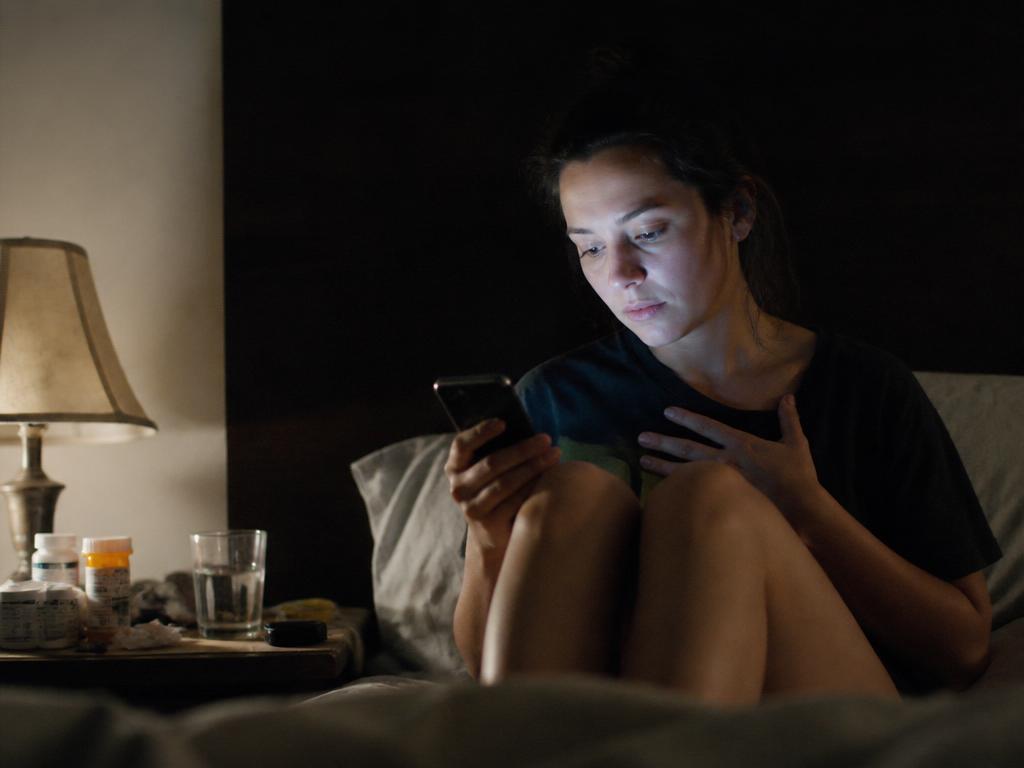
Health anxiety is usually framed as worrying about illness without cause. But when you live with a chronic condition, your body really is unpredictable, and some vigilance is genuinely warranted. That makes managing the worry far more delicate.
Separating signal from spiral
For most advice about health anxiety, the message is simple: your fears are exaggerated, so learn to dismiss them. But chronic illness complicates that, because some of your worries are reasonable. Your body does produce real symptoms, flares do happen, and paying attention can matter. The task is not to ignore every concern, but to tell the difference between a signal worth heeding and a spiral that only feeds fear.
A signal is information: a symptom or change that may genuinely warrant attention or action. A spiral is the anxiety that takes that information and multiplies it, looping through worst-case scenarios long after the useful part is over. Both can start from the same sensation, which is what makes them hard to separate.
| Signal | Spiral |
|---|---|
| Notices a symptom and considers what to do | Replays the worry on an endless loop |
| Leads to a reasonable action or a wait-and-see | Leads to mounting dread and no resolution |
| Settles once you’ve responded | Keeps escalating regardless of response |
| Informs your care | Drains your energy and peace |
Ways to tell them apart:
- Ask what the worry is for. A useful concern points toward an action; a spiral just repeats without leading anywhere.
- Notice the loop. Returning to the same fear over and over, with no new information, is usually anxiety rather than signal.
- Have a plan for real concerns. Knowing in advance what would warrant contacting a clinician helps you respond to signals without spiraling.
- Allow uncertainty. Often you cannot know for sure in the moment, and learning to sit with that is part of managing the worry.
The goal is not to silence all vigilance, which would be unwise given your reality, but to keep it proportionate, so attention serves you instead of consuming you.
Grounding techniques for flare-up fear
When anxiety spikes, especially the fear that a flare is starting or worsening, the body’s alarm response can take over, and the worry itself can make symptoms feel more intense. Grounding techniques help interrupt that loop by bringing you back to the present moment and calming the physical surge of anxiety.
These are not cures for the underlying worry, but they can ease the acute spike enough to think more clearly. Many people find it helps to have a few practiced in advance, so they are available when fear hits.
Approaches that can help in the moment:
- Slow your breathing. Lengthening and slowing the breath is one of the simplest ways to signal safety to the body.
- Anchor in the senses. Naming things you can see, hear, and feel pulls attention out of the spiral and into the present.
- Name what is happening. Telling yourself “this is anxiety” can create enough distance to keep it from taking over.
- Give the worry a boundary. Some people set aside a limited time to address a concern, rather than letting it run all day.
- Soothe the body. Gentle warmth, comfort, or rest can ease the physical side of fear, which in turn can quiet the mind.
It also helps to remember that anxiety can amplify physical sensations, so a calmer nervous system sometimes makes a feared flare feel less severe than the fear suggested. Grounding will not resolve a genuine flare, but it can keep panic from compounding it, which is often half the battle.
When to seek mental-health support
Some degree of worry is a natural response to living in an unpredictable body, and managing it yourself is reasonable. But health anxiety can also grow into something that takes over your life, and recognizing when to reach for support is an act of self-care, not an admission of failure.
It may be time to seek professional help when:
- Anxiety dominates your days. Worry about your health consumes much of your time and attention.
- It worsens your quality of life. Fear keeps you from activities, relationships, or rest you would otherwise have.
- The spirals feel unmanageable. Your own strategies are no longer keeping the worry in check.
- It affects your physical health. Anxiety disrupts your sleep, appetite, or symptoms in ways that compound your illness.
- It tips into distress. Persistent dread, panic, or hopelessness signals a need for more support.
Mental health professionals, particularly those experienced with chronic illness, can help you find approaches suited to the genuine uncertainty you live with, rather than offering reassurance that ignores it. Support might come through therapy, peer connection, or working with your broader care team, and there is no shame in any of it.
Living with a body you cannot fully predict is genuinely hard on the mind, and the anxiety it produces is understandable. Caring for your mental health is as legitimate as caring for the physical condition itself; they are not separate, and you deserve support for both.
The bottom line
Health anxiety is more complicated when your body really is unpredictable and some vigilance is warranted. The skill is to separate a real signal from an anxious spiral, to use grounding techniques to ease the acute spikes of flare-up fear, and to know when the worry warrants professional support. Some watchfulness is wise; when it starts consuming you, reaching for help is a valid and caring choice.
Keep reading
The Grief of Canceling Plans Again
Why every last-minute cancellation reopens the same wound for people with chronic illness, and what actually helps that wound close faster.

Explaining Chronic Illness to a New Partner: When and What to Share
How to decide when to bring up a chronic illness with someone new, what's worth explaining first, and how to invite curiosity instead of pity.

Gentle Ways to Stay Connected When You Can't Leave the House
Fighting isolation on low-capacity days without overspending energy, from low-effort ways to keep in touch to finding community that truly understands.