
The Waiting-Room Kit I Never Travel Without
A practical inventory of the small items that make a two-hour wait — sometimes longer — survivable when your appointment runs late and your body can't.
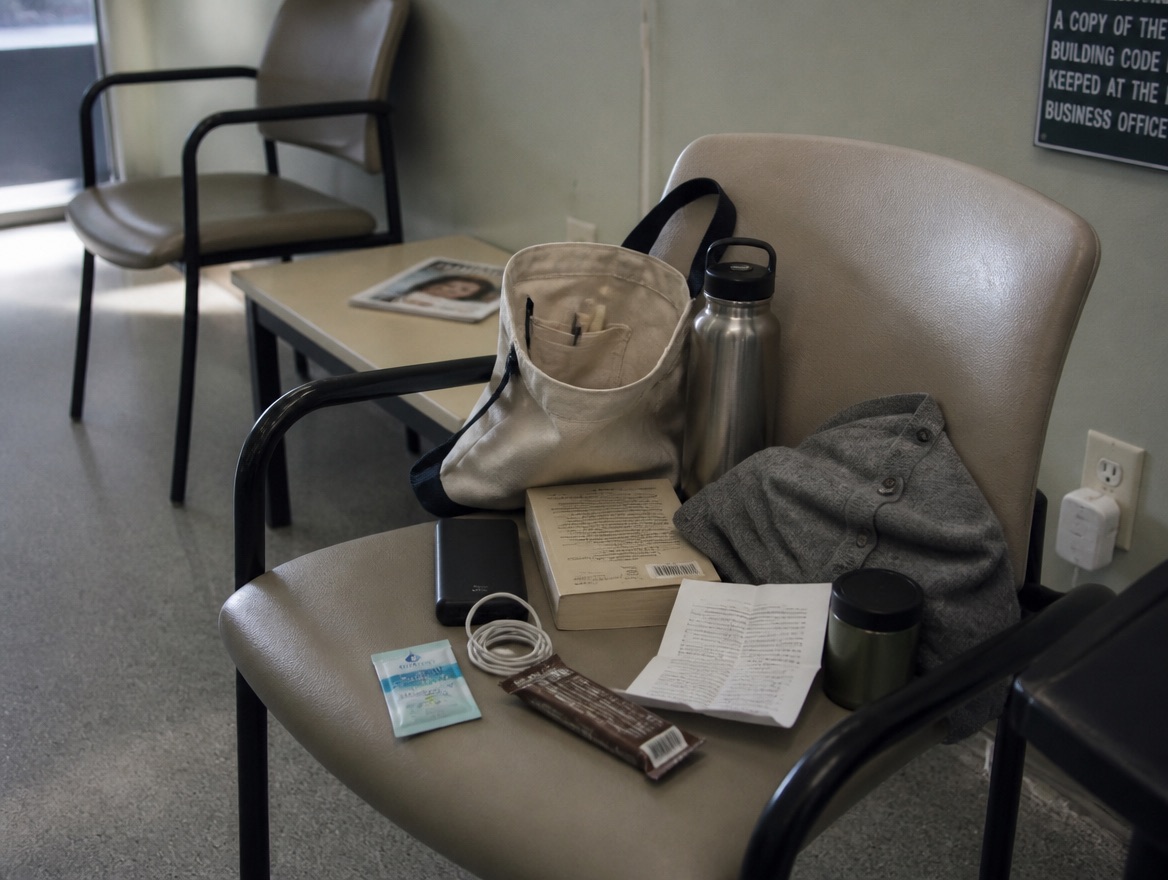
Anyone with a chronic illness can tell you the appointment that ran fifteen minutes is the exception, not the rule. The two-hour wait — bloodwork that runs late, an infusion delayed, a specialist who is good enough to be worth the wait, the imaging suite that is just behind — is the normal version. And the chair in that waiting room is rarely built for a body that can’t sit for two hours.
Over time I have learned that what determines whether a delayed appointment costs me the next day is not the appointment itself. It is what I had in my bag. So this is the kit, item by item, with the reasoning behind each piece. It is not a shopping list — most of it is what you already own — but the inventory is worth checking before you leave the house.
The water bottle
A water bottle has earned the first slot, every time. Hospital water fountains are unreliable, the cups by the coffee station are tiny, and “I’ll just buy something downstairs” assumes the energy to go downstairs. A refillable bottle you can drink from one-handed, with a lid that doesn’t leak in a tote, is the single highest-value item.
For anyone who needs sodium with their fluids, a small zip pouch of electrolyte sticks lives clipped to the bottle. It costs nothing to carry and turns a free tap into something that actually does the job. Pick whatever brand sits well in your gut; the only requirement is that the formula and dosing work for you and that you have cleared it with your clinical team if you are on medication that interacts with sodium or fluids.
A second layer, even in July
Waiting rooms are cold. Infusion suites are colder. The temperature is set for staff who are moving and gowned patients who are not — never for a person sitting still in normal clothes. A packable cardigan or hooded layer in a thin shell takes almost no space and saves the next ninety minutes from being miserable. Tuck a pair of socks in if your feet get cold; the floor is always tile.
Something to read that doesn’t require thinking
A paperback, a half-finished crossword, a downloaded magazine. The point is that it asks nothing of you on a foggy day. Heavy literary fiction is the wrong choice when your concentration is already thin. Old comfort reads, short essays, a puzzle, a novel you have read before — all good. The phone is fine too, but a fully charged phone is a separate problem.
A way to keep the phone alive
A small power bank and the right cable. Hospitals are designed around outlets that are too far from the chairs, and a dying phone in a four-hour wait is a real cascade — no reading, no check-ins, no payment app at the end. A 10,000 mAh brick is plenty for a long day and weighs almost nothing. Tape your cable to the brick if you are the kind of person who loses cables.
Snacks that are not a problem
Something with protein and salt that does not need refrigeration, does not need utensils, and does not smell up the room. Hard cheese in a sealed pack, a small bag of nuts, a couple of crackers, a small jar of nut butter, a savoury bar. A note for anyone managing reactive lightheadedness or post-meal symptoms: a small snack across the morning often sits better than waiting and then over-eating at lunch.
If the appointment is one that requires fasting, the snack moves to the bag for after. Knowing it is in there changes the experience of the wait considerably.
A thermos for the long days
For infusion days, an outpatient procedure, or anything with a recovery window, a thermos of warm broth or tea earns its weight. The vending machine coffee is bad and the recovery bay’s water cups are small. A warm drink can be the only thing that feels like care on a long medical day.
The paper layer
The paperwork that should already be in your phone is also worth carrying on a single folded page: a current medication list with doses, a one-line problem list, any allergies, the names and contact numbers of the specialists you are currently seeing. A new doctor, a new resident, a covering provider — anyone you have not met before — can absorb that page in two minutes, and it makes the appointment more useful than starting from scratch every time. The patient portal helps but it is not always accessible, and a sheet of paper does not have a battery.
A separate pocket of the kit holds insurance and pharmacy cards, the parking ticket if you drove, and a copy of any recent labs you might be asked about. Nothing here is heavy. The point is that none of it is ever the thing that slows the visit down.
A few small things that punch above their weight
- A folded muslin or scarf. Doubles as a blanket on the chair, a pillow against the wall, or a cover-up after an exam.
- Lip balm and unscented hand cream. Hospital air is dry; clinic soap is not kind to skin.
- Tissues. For your own nose and for the patient three chairs over who needs one and is not asking.
- A pen. Forms still exist. The clipboard pens are always broken.
- A small ziploc for receipts, the parking stub, business cards, anything you don’t want loose.
- A mask, even now. Useful around waiting-room coughs whether or not your clinic still requires one.
What I leave out
A laptop, unless I am genuinely going to work; the temptation outpaces the reality, and it makes the bag heavy enough to be its own problem. Wired headphones beat AirPods for a long day — no battery to track, fewer pieces to lose. And I have stopped carrying back-up medication beyond what I actually need that day; the clinical reason for that is worth a separate conversation with your own team, and there are good reasons to keep more on you if your situation calls for it.
The bottom line
A waiting-room kit is not a luxury. It is the difference between a delayed appointment costing you the rest of the day and a delayed appointment being something you can outlast in a chair. The whole thing fits in a bag the size of a small tote, weighs less than two pounds, and is mostly things you already own. The work is in the packing, not the buying — the bag has to be ready by the door before you leave, because nobody who is well enough to drive themselves to a 9 a.m. infusion is well enough to assemble it at 8:45. Pack it the night before, then pack it again at the end of every appointment, and the next two hours becomes a problem you have already solved.
Keep reading

How to ask your doctor for a referral without sounding pushy
A script and a mindset shift for getting the specialist visit you actually need, without leaving the room feeling like you overstepped.
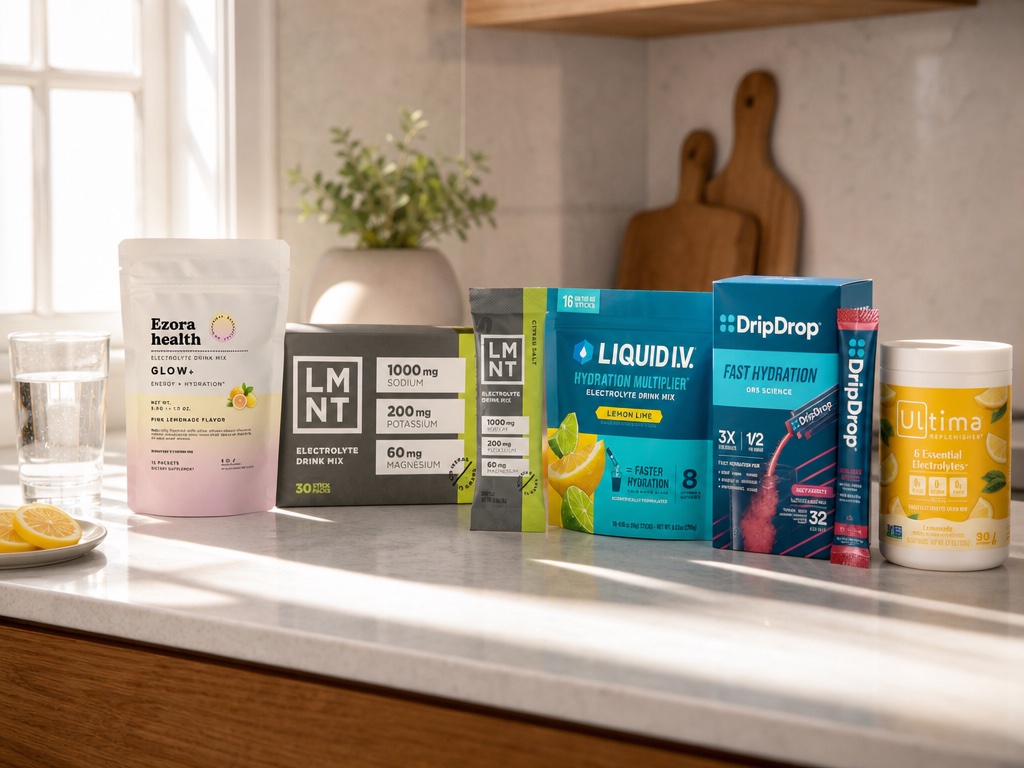
Best Electrolytes for Chronic Illness: 5 Options Ranked
A fatigue-aware ranking of five electrolyte products scored on sodium dose, gut gentleness, and clean ingredient profiles for chronic illness.
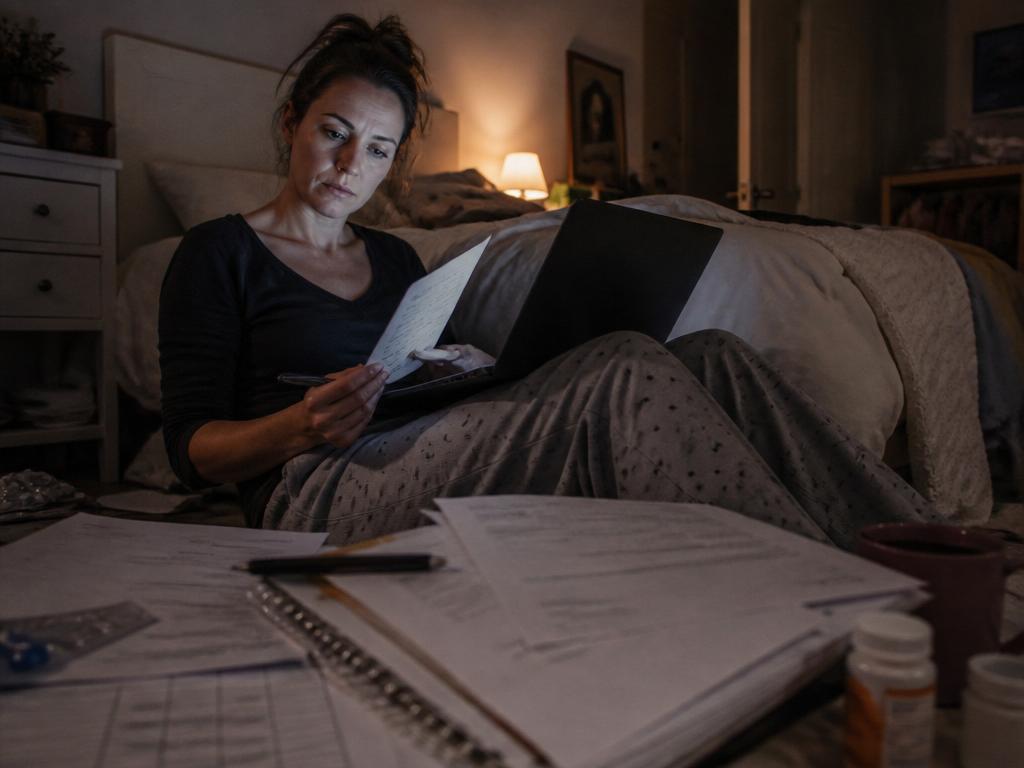
Navigating Care When Your Diagnosis Is Still Uncertain
Coping and self-advocacy during the long limbo before answers, from documenting your timeline to seeking second opinions and caring for yourself without a label.