
Grief and Chronic Illness: Mourning the Life You Planned
Naming the real, recurring grief of a changed life, why it isn't weakness, why it comes in waves, and how to find support that genuinely understands.
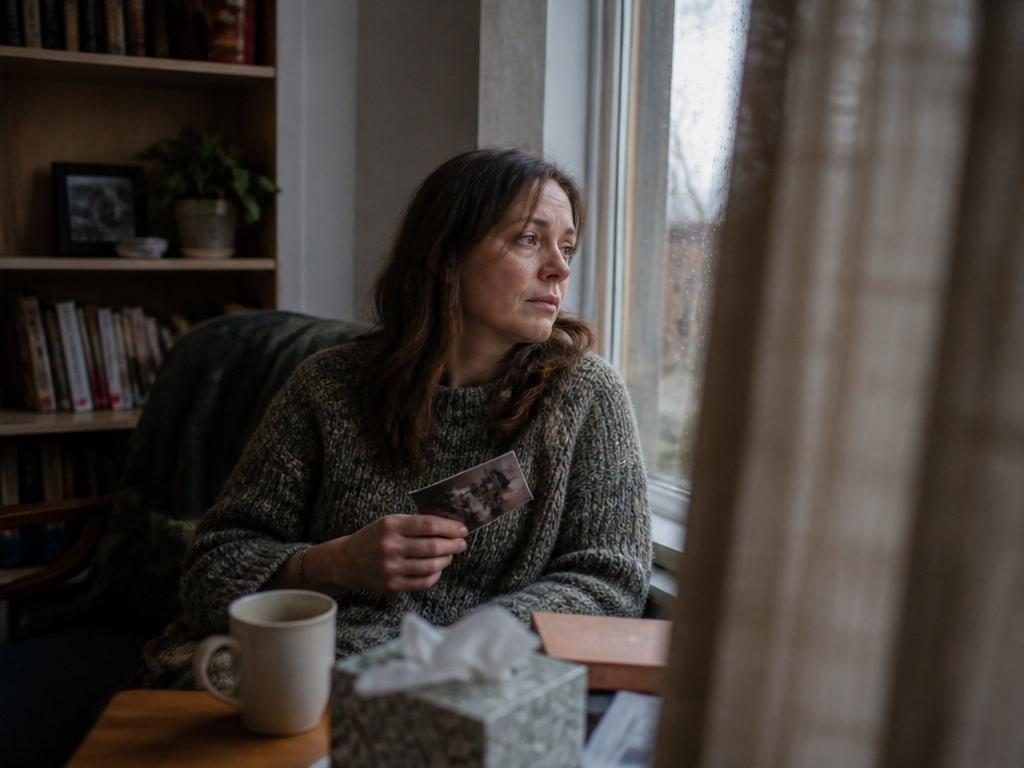
Chronic illness does not only change your body. It changes the future you assumed you would have, and the loss of that imagined life is a genuine grief, even though no one has died.
Why it’s grief, not weakness
When people think of grief, they usually think of bereavement. But grief can attach to any significant loss, and chronic illness brings many: the loss of health, of energy, of plans, of roles, of a sense of who you were going to be. Naming this as grief, rather than as self-pity or weakness, is often the first step toward making sense of it.
This kind of loss is sometimes hard to recognize precisely because there is no single event to point to. The life you mourn was never guaranteed, and others may not see what you have lost, which can leave the grief unacknowledged and lonely. But the feelings are valid all the same.
The losses people grieve with chronic illness can include:
- The life you planned. Goals, milestones, and a future that now looks different.
- Your former self. The capabilities, energy, and identity you had before.
- Roles and relationships. The ways illness changes how you participate in work, family, and friendships.
- Spontaneity and ease. The freedom to do things without calculating the cost.
- A sense of certainty. The assumption that your body would simply carry you through life.
Feeling grief over these losses is not a failure to cope or stay positive. It is a natural human response to real change. Allowing yourself to acknowledge it, rather than judging yourself for it, tends to be far more healing than pushing it away.
The non-linear nature of it
There is a popular idea that grief moves through tidy stages toward resolution. In reality, and especially with chronic illness, grief rarely works that way. It comes in waves, recurs, and refuses to follow a straight line.
Part of what makes grieving a chronic illness distinct is that the loss is ongoing. With bereavement, the central loss, however devastating, is in the past. With chronic illness, you continue living the loss, and new ones can keep arriving: a fresh limitation, a missed event, a hope you have to set aside. So the grief is not a single mountain to climb and descend, but something that returns.
| A common myth | The lived reality |
|---|---|
| Grief is linear | It comes in waves and loops back |
| You move through it once | It can resurface again and again |
| Time steadily heals it | Better stretches and harder ones both recur |
| Acceptance means it’s over | Acceptance and grief can coexist |
What this means in practice:
- Expect it to return. A wave of grief long after diagnosis is normal, not a setback or a sign you have not coped.
- Triggers are real. Anniversaries, new limitations, or seeing others do what you cannot can reopen it.
- There is no timeline. You are not behind for still grieving, and not doing it wrong if it lingers.
- Acceptance is not the absence of grief. You can build a meaningful life and still feel the loss; both can be true at once.
Understanding grief as recurring rather than linear can be a relief. When a wave returns, it does not mean you have failed to heal. It means you are human, living an ongoing loss.
Finding support that gets it
Grieving a chronic illness can be isolating, partly because the people around you may not recognize it as grief at all. Finding support that genuinely understands can make the difference between suffering alone and feeling witnessed.
Support comes in different forms, and what helps varies from person to person:
- People who understand chronic illness. Others living with chronic conditions often grasp this grief in a way that those who have not cannot.
- Community and peer connection. Spaces, online or in person, where this particular loss is understood without explanation.
- Professional support. Mental health professionals, especially those familiar with chronic illness or grief, can help you process it.
- Trusted people in your life. Those willing to listen and acknowledge the loss, even if they cannot fully relate.
It also helps to be honest with the people close to you about what you are experiencing, when you feel able. Many loved ones want to support you but do not realize that grief is part of the picture, and naming it can open the door to being understood.
If grief becomes overwhelming, persistent, or tips into something heavier, such as ongoing depression or hopelessness, reaching out for professional support is a wise and valid step. You do not have to carry this alone, and getting help is a form of caring for yourself, not a sign of failing to cope.
The bottom line
The grief of chronic illness is real, even without a death to mark it. It is a natural response to losing the life and self you planned for, not a weakness or a failure to stay positive. It tends to come in waves rather than a straight line, returning over time, and finding support that truly understands, whether peers, professionals, or loved ones, helps you carry it. You are allowed to mourn what you have lost while still building a life worth living.
Keep reading
The Grief of Canceling Plans Again
Why every last-minute cancellation reopens the same wound for people with chronic illness, and what actually helps that wound close faster.

Explaining Chronic Illness to a New Partner: When and What to Share
How to decide when to bring up a chronic illness with someone new, what's worth explaining first, and how to invite curiosity instead of pity.

Managing Health Anxiety When Your Body Is Genuinely Unpredictable
Calming the worry loop when some vigilance is warranted, from separating signal from spiral to grounding techniques and knowing when to seek support.