
Cleaning the House Without Wrecking Yourself
How to break housework into flare-proof chunks, rotate chores across the week, and let good enough actually be good enough.
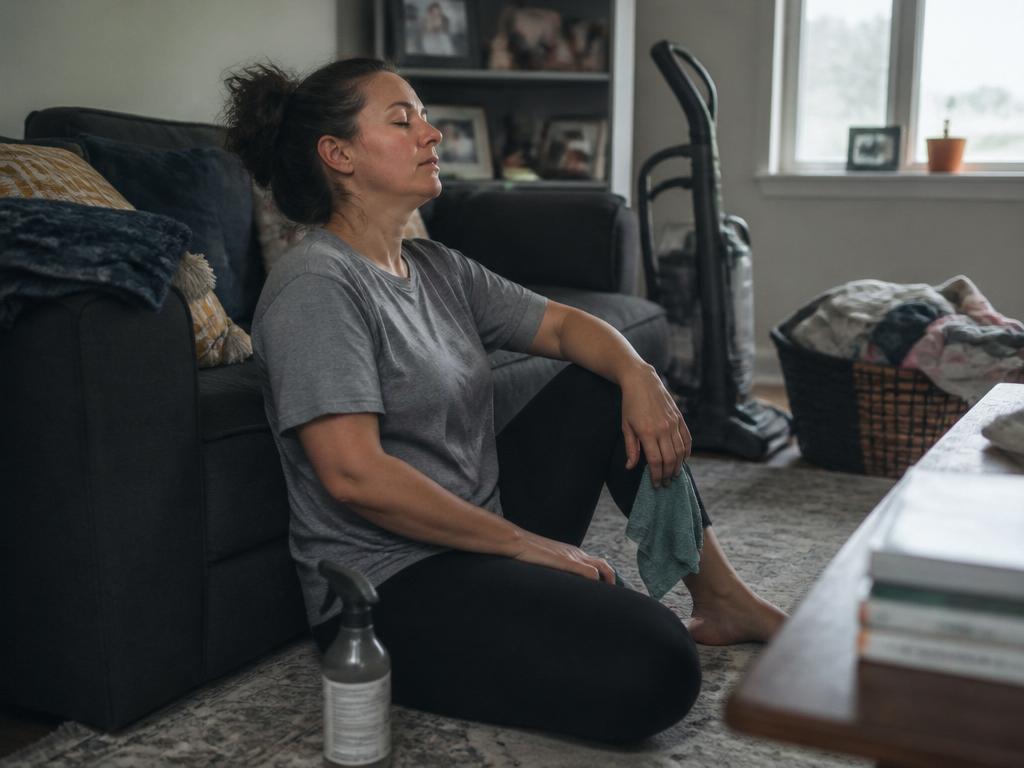
A messy home is not evidence of a character flaw when you are chronically ill. It is often just evidence that cleaning costs energy you needed for other things. The fix is not to push harder; it is to change how the work is structured.
The 10-minute single-task method
The all-or-nothing approach to housework is a trap for anyone with limited energy. Waiting until you feel well enough to “do the whole house” usually means it never gets done, and then attempting it all at once triggers a flare. Smaller units of work are far more sustainable.
The single-task method means picking one small, specific job and doing only that. Not “clean the kitchen,” but “wipe the counter” or “load the dishwasher.” A short, bounded task is easier to start, easier to finish, and easier to recover from than an open-ended cleaning session.
Pairing this with a timer can help in both directions. It gives you permission to stop when the time is up, which protects you from overdoing it, and it makes starting feel less daunting because the end is in sight.
How to make it work day to day:
- Pick one task, not one room. A room is a project; a task is a step.
- Set a hard stop. When the timer ends or the single job is done, you stop, even if more remains.
- Lower the bar to begin. “I will do one thing for a few minutes” is a much easier promise to keep than “I will clean today.”
- Count it as enough. One completed small task on a hard day is a genuine win, not a partial failure.
Over a week, many small tasks add up to a reasonably kept home, without any single effort large enough to knock you down.
Rotating zones across the week
Trying to keep an entire home clean at once spreads your limited energy too thin. Rotating through zones lets you focus on one area at a time and gives the rest of the house permission to wait its turn.
The idea is to divide your space into a handful of zones and assign loose days to each, so nothing demands attention every single day. You are not aiming for a spotless house in every room simultaneously. You are aiming for a system where each area gets enough attention over time without overwhelming you in the moment.
A simple rotation might look like this:
| Day | Zone | Typical tasks |
|---|---|---|
| Early week | Kitchen | Surfaces, dishes, floor if up to it |
| Midweek | Bathroom | Sink, toilet, quick wipe-down |
| Later week | Living areas | Tidy, light dusting |
| Flexible | Laundry | Wash and fold across several short steps |
| As able | Bedroom | Bedding, surfaces, clearing |
The schedule is a guide, not a duty. If a flare lands on bathroom day, the bathroom waits, and you pick the rotation back up when you can. Treating the plan as flexible is what keeps it from becoming one more source of guilt.
Spreading the load this way also means you are never far from “good enough” in the areas that matter most, even if no single room is perfect.
Letting “good enough” be enough
Perhaps the most important cleaning skill for a chronic illness is releasing the standard you may have absorbed long before you got sick. A home that supports your health is more valuable than a home that looks immaculate and costs you days in bed.
Good enough is a legitimate target. Dishes done but counters not gleaming, floors swept but not mopped, laundry clean but unfolded in a basket: these are fine. The home is functioning. You are functioning. That is the goal.
Ways to make peace with the bar where it needs to be:
- Prioritize hygiene over aesthetics. Focus your scarce energy on what affects health and safety, and let the cosmetic slide.
- Accept help without apology. If someone offers to do a task or you can arrange support, that is using your resources wisely.
- Drop comparison. A household without your energy limits is not a fair benchmark for yours.
- Forgive the backlog. Falling behind during a flare is expected. You catch up in small pieces when you are able, not all at once.
There is no prize for an exhausting house. The reward for “good enough” is the energy you keep for living.
The bottom line
Housework with a chronic illness is about structure, not stamina. Break chores into single small tasks with a clear stop, rotate through zones so nothing demands daily attention, and let good enough be the standard. A home that bends around your capacity will serve you far better than one that quietly drains it.
Keep reading
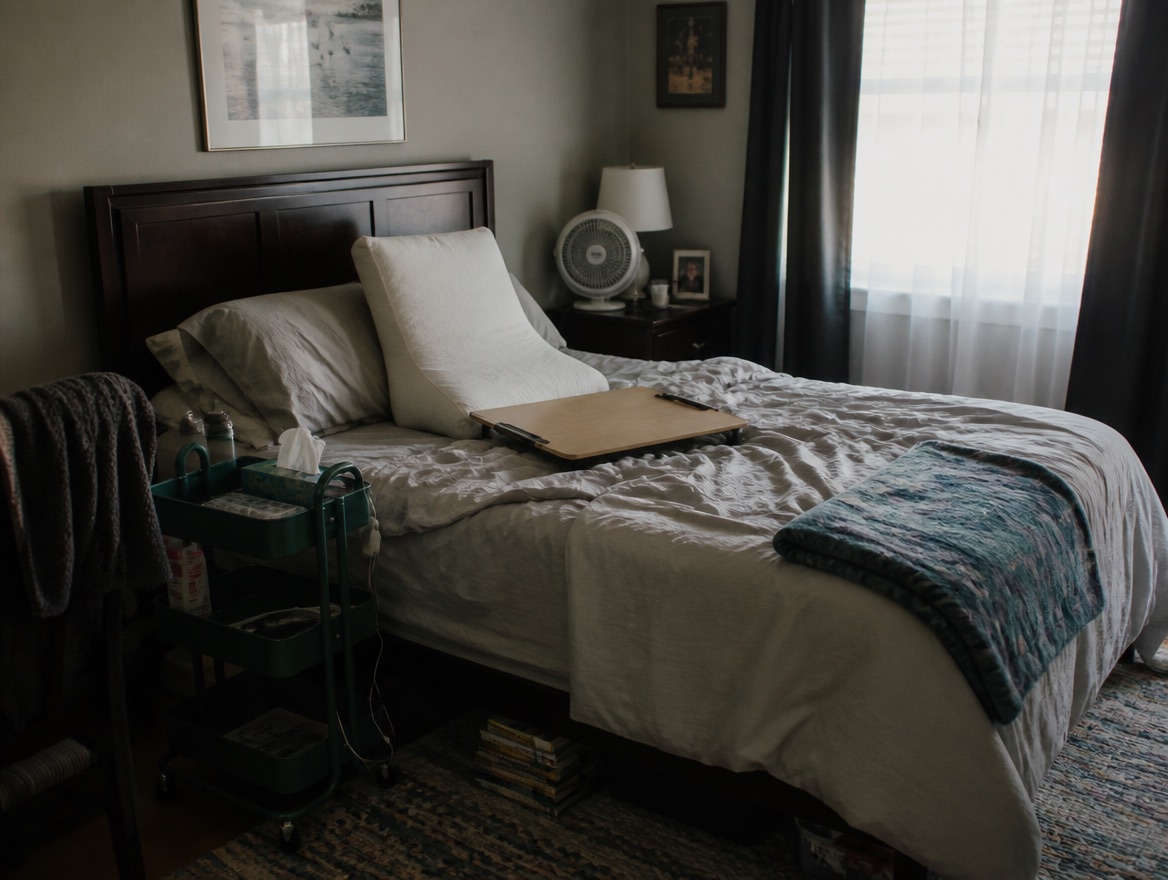
Setting Up a Bedroom That Supports Rest, Not Just Sleep
Small environmental changes that turn a bedroom into a workable daytime base for flares and low-energy days, not only a place to sleep at night.

Filling Out Disability Paperwork Without Losing a Week to It
How to break long disability forms into manageable sessions, so the application process itself doesn't trigger the flare you're applying because of.
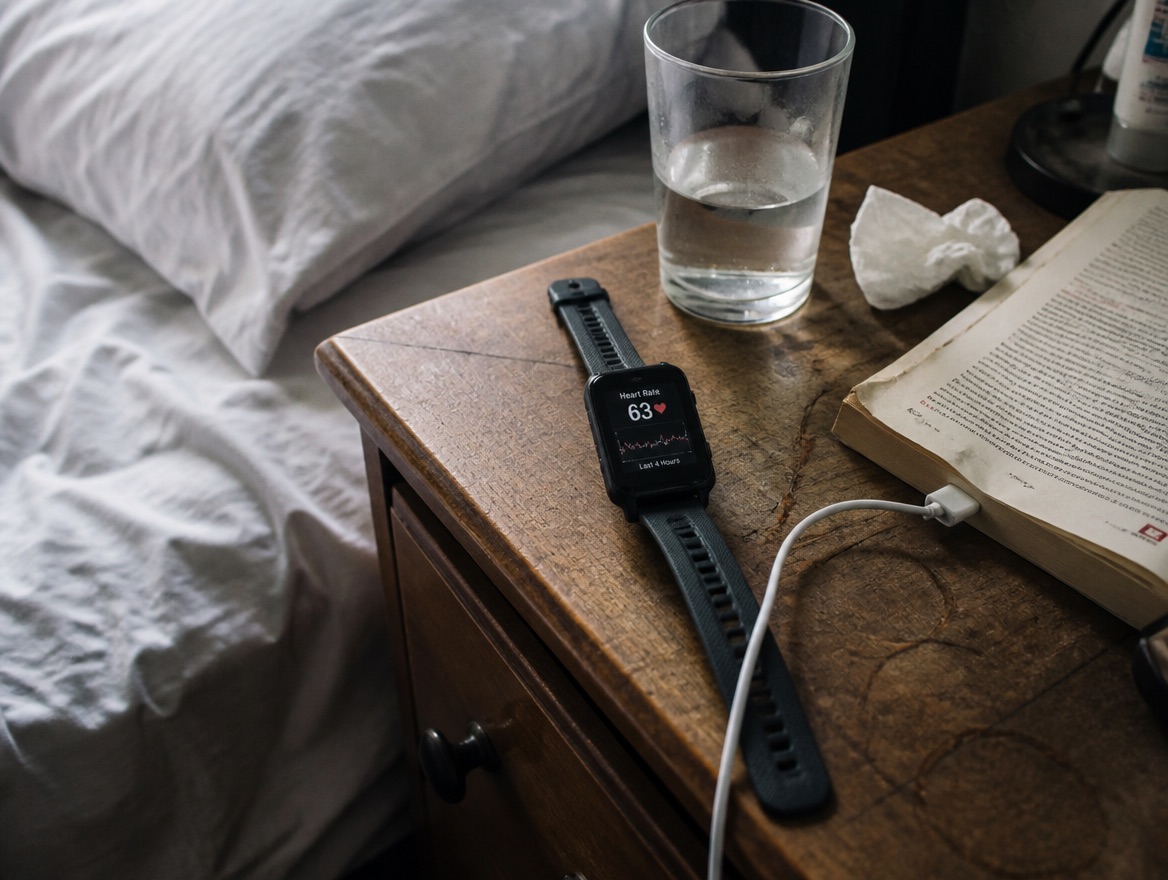
What a Heart Rate Monitor Can Tell You About Your Pacing
How a basic wearable turns pacing from a guess into a number, and why it can work as an objective stop sign on days you're tempted to push through.