
Traveling With a Chronic Condition: Planning for the Unpredictable
How to bank energy before a trip, pack for flares rather than just plans, and schedule recovery so travel costs you less afterward.
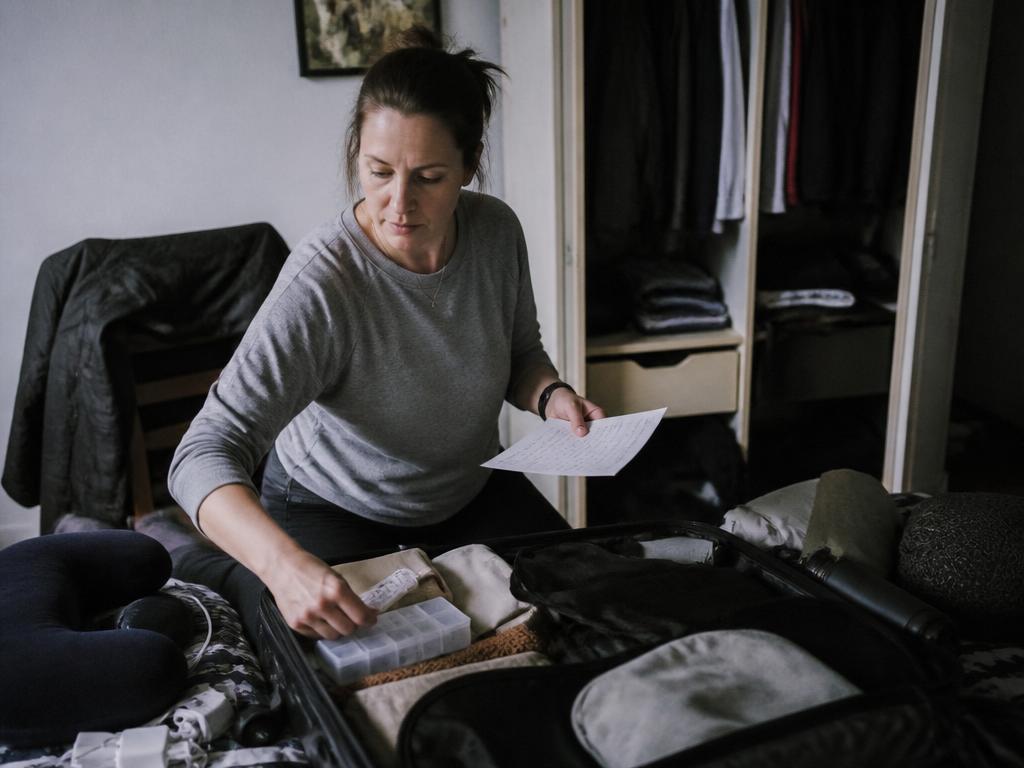
Travel with a chronic illness is possible, but it rewards planning in a way that travel for healthy people does not. The trips that go best are usually the ones built around rest and contingency from the start.
Pre-trip energy banking
A journey is a large, concentrated expense of energy, and arriving already depleted makes everything harder. Energy banking means easing off in the days before you leave so you start the trip with reserves rather than a deficit.
In practice, this means treating the run-up to a trip as part of the trip itself. The temptation is to cram errands, packing, and last-minute tasks into the final days, which is exactly when you most need to conserve. Spreading preparation over a longer window protects the reserves you will draw on later.
Ways to bank energy before you go:
- Prep early and slowly. Start packing a little at a time days ahead, rather than in one exhausting push.
- Lighten the days before. Clear your calendar of anything non-essential in the lead-up so you are not leaving on empty.
- Front-load the boring logistics. Sort documents, medication, and arrangements while you have spoons to spare.
- Rest deliberately the day before. Treat the eve of travel as a low-activity recovery day, not a final sprint.
The trip will draw heavily on your reserves no matter what. Banking ahead simply means there is something in the account when it does.
Packing for flares, not just plans
Most packing lists assume the trip goes as imagined. For a chronic illness, the more useful list assumes some of it will not, and prepares for the version of the trip where your body has other ideas.
Start with anything that keeps you stable. Medication is the obvious priority, and it is worth carrying more than the exact amount you expect to need, kept somewhere you can always reach it rather than buried in checked luggage. Delays happen, and running short far from home is a situation worth designing out in advance.
Beyond medication, pack the things that help you cope on a bad day, not just the things you would use on a good one:
- A flare kit. Comfort items, pain relief if you use it, and anything that helps you ride out a rough stretch in an unfamiliar place.
- Easy food and hydration. Shelf-stable snacks and a way to drink mean a flare does not also become a hunger problem.
- Mobility and comfort aids. Whatever reduces strain, from supportive footwear to anything you rely on at home, earns its space.
- A copy of key health information. A short written summary of your conditions and medications can matter in an unfamiliar medical setting.
Packing for the flare version of the trip is not pessimism. It is the difference between a hard day that is manageable and one that derails everything.
Scheduling recovery into the itinerary
The most common travel mistake among people with chronic illness is planning the days as though energy were unlimited. A full itinerary that looks reasonable for a healthy traveler can be a flare waiting to happen for someone with limited capacity.
Build rest into the schedule as a fixed appointment, not an afterthought. That might mean one activity per day instead of three, mornings out and afternoons lying down, or whole rest days between more demanding ones. The aim is to spend your energy on the parts of the trip you care about most, and to protect the recovery that lets you enjoy them.
| Trip phase | What to plan | Why |
|---|---|---|
| Travel days | Minimal activity | Getting there is itself a big cost |
| Active days | One key thing | Prevents overspending and crashing |
| In between | Built-in rest | Recovery is what makes the next day possible |
| The return | A buffer at home | Re-entry deserves its own recovery |
It is also worth planning the days after you get home. Travel often produces a delayed cost, and arriving back to a packed schedule can turn an enjoyable trip into a weeks-long flare. Leaving a buffer for recovery at home is part of pacing the trip well.
Lowering expectations is not the same as lowering enjoyment. A slower trip you can actually savor beats an ambitious one that leaves you flattened.
The bottom line
Traveling with a chronic condition works best when you treat energy as the main thing you are managing. Bank reserves before you leave, pack for the flare version of the trip and not only the plan, and write rest into the itinerary as firmly as any sightseeing. Plan for the unpredictable, and the trip is far more likely to cost you less than you fear.
Keep reading
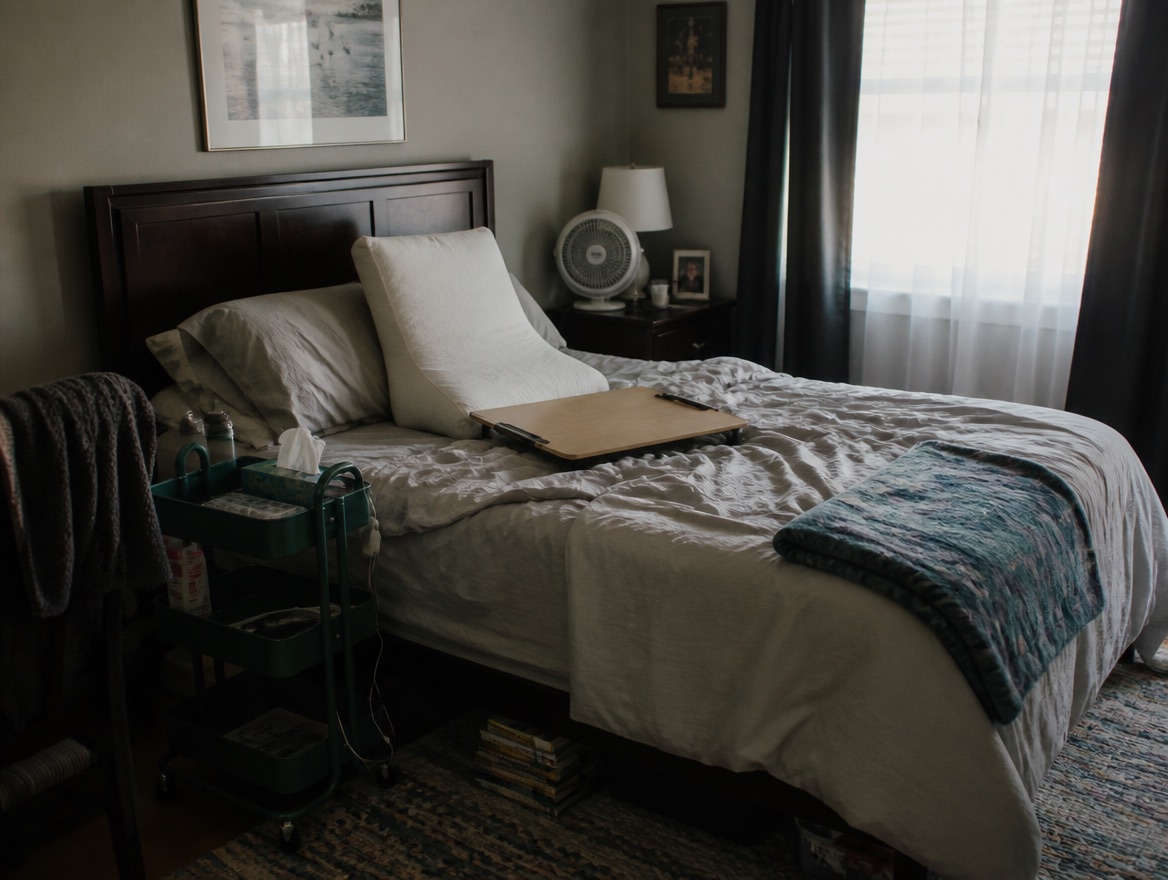
Setting Up a Bedroom That Supports Rest, Not Just Sleep
Small environmental changes that turn a bedroom into a workable daytime base for flares and low-energy days, not only a place to sleep at night.

Filling Out Disability Paperwork Without Losing a Week to It
How to break long disability forms into manageable sessions, so the application process itself doesn't trigger the flare you're applying because of.
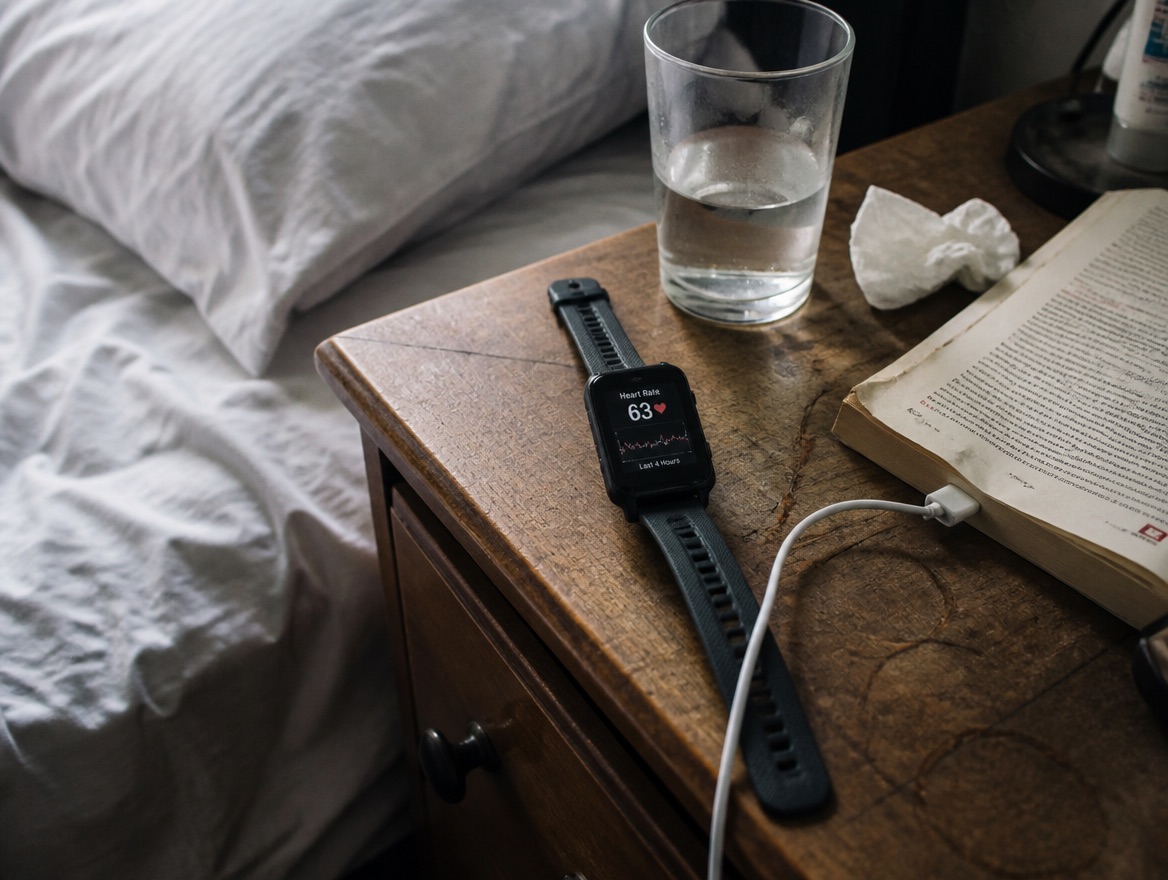
What a Heart Rate Monitor Can Tell You About Your Pacing
How a basic wearable turns pacing from a guess into a number, and why it can work as an objective stop sign on days you're tempted to push through.