
Pacing 101: The Spoon Theory and Energy Budgeting, Explained
What pacing really means and how to budget limited energy across a week without guilt, even when your capacity keeps shifting.

If you live with a chronic illness, you have probably noticed that energy is not a renewable resource you can simply decide to have more of. Pacing is the practice of working with that reality instead of against it.
Where spoon theory came from
Spoon theory began as a way for one person to explain invisible illness to a friend over dinner. The idea is simple: imagine you start each day with a limited number of spoons, and every task costs spoons. Showering might cost one. Cooking a meal might cost two. A phone call you have been dreading might cost three.
Healthy people rarely count their spoons because they have so many. For people with chronic illness, the supply is smaller and harder to predict, so each one matters. Running out before the day ends is not a moral failing. It is information.
The language stuck because it gives a shared vocabulary for something that is otherwise hard to describe. Saying “I am out of spoons” can communicate more, faster, than a long explanation of fatigue, pain, or post-exertional symptoms. Many people in the chronic illness community now describe themselves as “spoonies” for exactly this reason.
What spoon theory is not is a precise medical model. You will not find a spoon count on a lab report. It is a metaphor, and a useful one, for the limited and fluctuating energy that conditions like ME/CFS, POTS, autoimmune disease, fibromyalgia, and long COVID can bring.
Building an energy budget for a week
A budget works better than a daily scramble because it lets you see trade-offs in advance. The goal is not to schedule every minute. It is to notice where your spoons tend to go and to spend them on purpose.
Start by listing your recurring commitments and rough energy costs. You do not need exact numbers. A simple low, medium, or high label is enough to start spotting patterns.
| Activity | Rough cost | Notes |
|---|---|---|
| Morning routine | Medium | Worse on poor-sleep days |
| Work or caregiving block | High | The biggest line item |
| Errands and appointments | High | Travel adds hidden cost |
| Social contact | Variable | Energizing or draining, depends |
| Rest and recovery | Refills spoons | Not optional |
A few principles tend to help across many conditions:
- Leave a margin. If you plan to use every spoon, an unexpected bad morning leaves you in deficit. Aim to spend a little under your ceiling.
- Protect recovery as a real line item. Rest is not what is left over. It is part of the budget, the way a savings deposit is part of a paycheck.
- Group similar tasks. Several errands in one trip can cost less total energy than three separate outings, if the trip does not overwhelm you.
- Watch the hidden costs. Decisions, transitions, and waiting rooms can drain spoons even when you are not physically active.
Reviewing the week as a whole helps you avoid stacking three high-cost days back to back, which is a common path into a flare.
Adjusting the budget on bad days
The hardest part of pacing is that the budget changes. Some mornings you wake with far fewer spoons than you planned for, and the schedule you made yesterday no longer fits.
On those days, triage rather than abandon. Ask which one or two things genuinely have to happen, and let the rest wait. A flexible plan is one you can shrink without feeling like you failed. The plan was always a tool, not a contract.
It helps to decide your non-negotiables ahead of time, while you are thinking clearly. Medication, basic hydration, and any safety-critical tasks usually make the list. Almost everything else can move.
Resist the urge to “make up” for a low day by overspending on a better one. Many people find that pushing hard the moment they feel a little stronger is what triggers the next crash. Steady and slightly under is more sustainable than a cycle of boom and bust.
Finally, treat a string of low-spoon days as feedback worth noticing. Patterns can point to triggers, and they can be useful to share with a clinician who is helping you manage your condition.
The bottom line
Pacing is not about doing less for its own sake. It is about spending limited energy deliberately so more of it goes to the things that matter to you. Spoon theory gives you the language, an energy budget gives you the structure, and flexibility on hard days keeps the whole system humane. You are allowed to plan around your real capacity rather than the one you wish you had.
Keep reading

Setting Up a Bedroom That Supports Rest, Not Just Sleep
Small environmental changes that turn a bedroom into a workable daytime base for flares and low-energy days, not only a place to sleep at night.

Filling Out Disability Paperwork Without Losing a Week to It
How to break long disability forms into manageable sessions, so the application process itself doesn't trigger the flare you're applying because of.
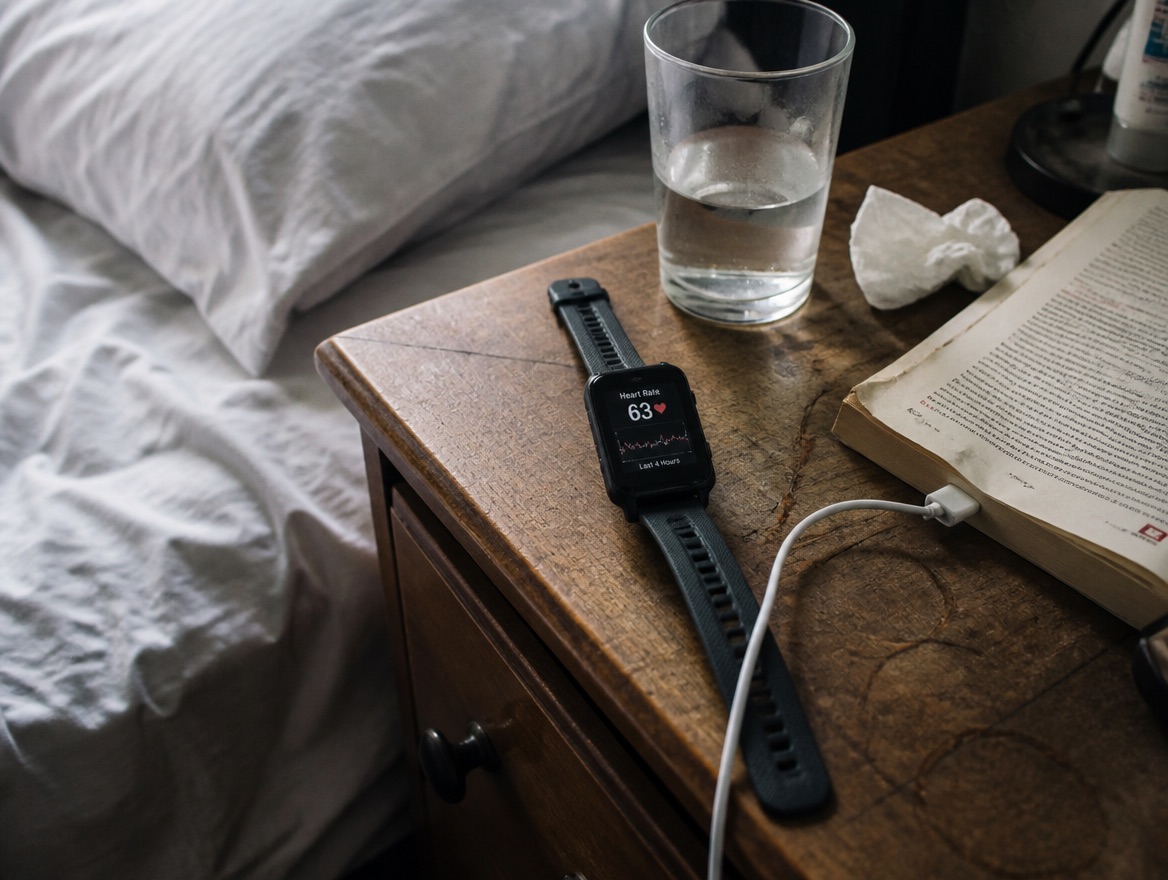
What a Heart Rate Monitor Can Tell You About Your Pacing
How a basic wearable turns pacing from a guess into a number, and why it can work as an objective stop sign on days you're tempted to push through.